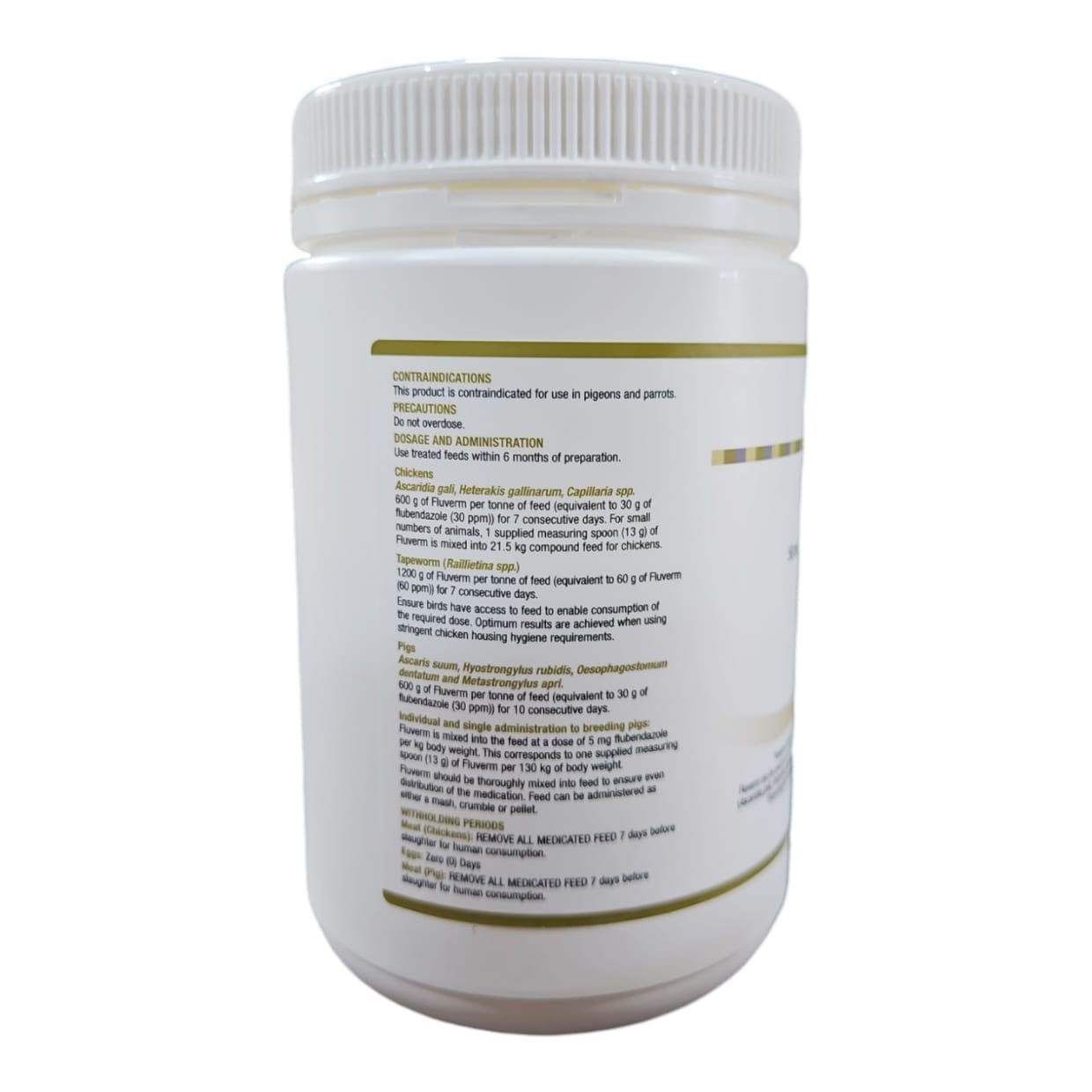
Most chicken wormers come with a catch: throw away your eggs for days after treatment. For backyard keepers who actually eat their eggs, that's not a minor inconvenience — it's a reason to delay worming. Sometimes too long.
Fluverm is different. No egg withholding period. Treat your flock and keep collecting eggs the whole time.
Trusted by 50,000+ Australian backyard flocks | Family-run since 2009 | Real human support
Why "egg-safe" actually matters
Many wormers require a withholding period — typically 7 to 14 days where you can't eat the eggs. For a small backyard flock, that's a lot of wasted eggs. Or worse, it means people put off worming until symptoms appear.
Fluverm uses flubendazole as its active ingredient. It's approved for use in laying hens with no egg withholding period. You can treat your birds and keep eating the eggs throughout the 7-day treatment.
That makes preventative worming practical — not just something you do when there's already a problem.
What Fluverm treats
Large Roundworm
Ascaridia galli — the most common intestinal worm in chickens
Caecal Worm
Heterakis gallinarum — lives in the caeca, can carry blackhead
Threadworm
Capillaria spp. — thin worms visible as threads in egg whites
Tapeworm
Raillietina spp. — requires higher dose (see below)
Note: Fluverm does not treat gapeworm (Syngamus trachea). If your birds are gasping, stretching their necks, or making gurgling sounds, consult a vet for gapeworm-specific treatment.
Dosage for Dine-A-Chook Feeders
We've done the maths so you don't have to. Based on the recommended 600g per tonne rate.
SMALL FEEDER
Holds 2.6 kg feed
1.6 g
of Fluverm per refill
LARGE FEEDER
Holds 3.7 kg feed
2.2 g
of Fluverm per refill
Treating tapeworm? Double the dose (1200g per tonne rate). Small Feeder: 3.2g | Large Feeder: 4.4g
Mix thoroughly into feed. Treat for 7 consecutive days. The included 13g scoop covers 21.5kg of feed.
How to use Fluverm
1
Measure
Use the included scoop or weigh out the correct amount for your feed quantity. Precision matters.
2
Mix thoroughly
Combine Fluverm powder with feed in a bucket or container. Mix well so every mouthful contains medication.
3
Feed for 7 days
Make the treated feed the only food available for 7 consecutive days. Continue collecting and eating eggs normally.
Fluverm vs Kilverm: Which one?
Choose Fluverm if:
You want to keep eating eggs during treatment, you suspect tapeworm, or you prefer mixing into feed rather than water.
Choose Kilverm if:
You prefer liquid medication via drinking water, you're treating meat birds close to processing, or you want the lower upfront cost.
We stock both. Read our full comparison guide
Specifications
| Size |
600g tub |
| Active ingredient |
Flubendazole 50mg/g |
| Application |
Mix into feed |
| Treatment duration |
7 consecutive days |
| Egg withholding |
None |
| Meat withholding |
Not stated on label |
| Suitable for |
Chickens, pigs |
| Includes |
13g measuring scoop |
| Storage |
Below 30C, cool dry place |
| Shelf life |
Years when stored correctly |
| Manufacturer |
Vetsense (Australia) |
When should you worm?
Preventative
Every 3 months for most flocks, or twice yearly minimum
New birds
Before introducing to your existing flock
Symptoms visible
Weight loss, pale comb, reduced laying, visible worms in droppings
Free-range flocks
Higher exposure risk — worm more frequently
A healthy chicken can tolerate some worms. The goal is to keep the load manageable, not eliminate every parasite.
Also suitable for pigs
Fluverm treats gastrointestinal worms and lungworm in pigs. Mix into feed at 600g per tonne for 10 consecutive days, or dose individual pigs at 13g per 130kg body weight.
Contact us if you need guidance for larger animals or specific situations.
Often bought together
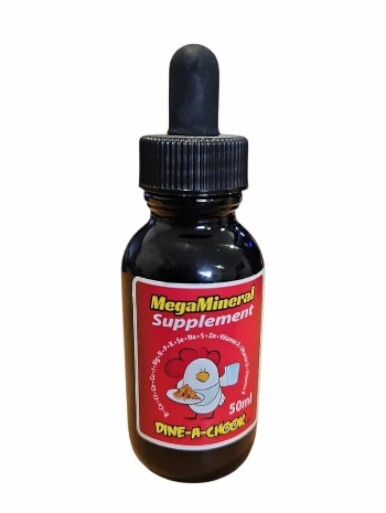
Mega Mineral 50ml
Chelated trace minerals. Supports recovery after worming.
$29.95
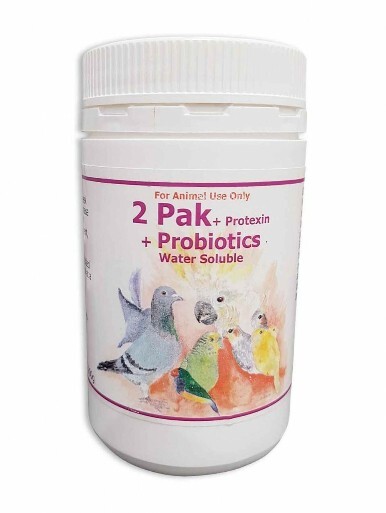
2-Pak Probiotic 200g
Restore gut health after worming treatment.
$39.95
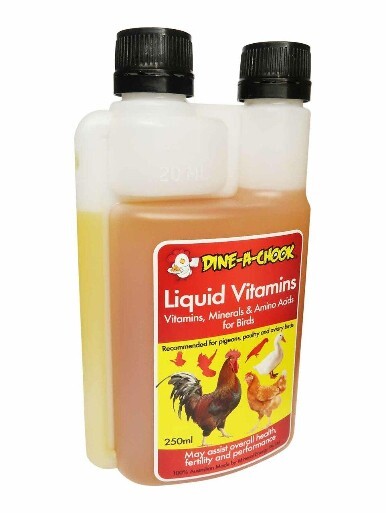
Liquid Vitamin 250ml
Complete vitamin and mineral boost for recovery.
$39.95
Worm your flock. Keep your eggs.
Fluverm makes preventative worming practical for backyard keepers who actually eat what their hens produce.
600g tub with scoop. Long shelf life. Australian made by Vetsense.
Questions about worming? 1800 103 326 — real humans, real answers.
Can I really eat the eggs during treatment?
Yes. Fluverm (flubendazole) is approved for use in laying hens with no egg withholding period. You can collect and eat eggs throughout the 7-day treatment and immediately after. This is the main reason backyard keepers choose Fluverm over other wormers.
My hens seem healthy. Do they still need worming?
Probably yes. A healthy chicken can carry worms without showing obvious symptoms. By the time you see weight loss, pale combs, or worms in droppings, the infestation is already significant. Preventative worming every 3 months (or at minimum twice yearly) keeps parasite loads manageable before they become a problem.
What if my chickens won't eat the treated feed?
This is rarely an issue with Fluverm — it's a fine powder that mixes into feed without changing the taste significantly. Make the treated feed the only food available (no scraps, no free-ranging during treatment). Hungry chickens eat what's in front of them. If you're concerned, try mixing a small amount of vegetable oil into the feed to help the powder stick.
Is 7 days enough? Should I treat longer?
Seven consecutive days is the recommended treatment for roundworms and caecal worms. Don't extend treatment beyond the label instructions unless advised by a vet. If you suspect a heavy infestation, repeat the treatment 2-3 weeks later to catch worms that were in egg form during the first round.
Does Fluverm treat gapeworm?
No. Gapeworm (Syngamus trachea) is not listed on the Fluverm label. If your birds are gasping, stretching their necks, or making gurgling sounds, that's likely gapeworm or a respiratory issue — consult a vet for specific treatment. Fluverm treats intestinal worms: roundworm, caecal worm, threadworm, and tapeworm.
How much Fluverm do I need for a small flock?
The 600g tub will last most backyard flocks for years. A small flock (4-6 hens) eating from a Dine-A-Chook Large Feeder needs just 2.2g per refill. Even with quarterly worming, one tub provides dozens of treatments. Store it in a cool, dry place and it remains effective for a very long time.
Is Fluverm better than Kilverm?
Different, not better. Fluverm (flubendazole) treats tapeworm and has no egg withholding. Kilverm (levamisole) is liquid-based and goes in drinking water rather than feed. Some keepers rotate between both to reduce resistance. If you eat your eggs and want the easiest experience, Fluverm is usually the better choice.
Read our full comparison.
Can I use Fluverm on chicks or young birds?
Fluverm can be used on birds of any age that are eating solid feed. For very young chicks still on starter crumbles, ensure the powder is mixed thoroughly so each mouthful contains the correct dose. If in doubt, wait until birds are on grower or layer feed.
What if I see worms in droppings after treatment?
That's actually a good sign — it means the treatment is working and worms are being expelled. Continue the full 7-day treatment even if you see dead worms in droppings. Clean the coop thoroughly after treatment to prevent reinfection from eggs in the environment.
How should I store Fluverm?
Keep it in the original container, sealed, in a cool dry place below 30 degrees Celsius. Avoid humidity and direct sunlight. Stored correctly, Fluverm remains effective for years — making it excellent value even for small flocks who only worm a few times per year.
Is Fluverm safe for meat birds?
Fluverm is approved for chickens including meat birds. However, check the label for meat withholding periods before processing. If you're raising birds for the table, plan your worming schedule around your processing dates.
Can I use Fluverm on ducks, geese, or other poultry?
Fluverm is labelled for chickens and pigs. While some keepers use it off-label for other poultry, we can only recommend it for the species listed on the label. Consult a poultry vet if you need worming advice for ducks, geese, or other birds.
Still have questions? Call us on 1800 103 326 — we're happy to help you work out the right worming approach for your flock.