Chicken Nesting Boxes
Discover the durability and innovation of our Australian made chicken nesting boxes. Our range of hen nesting boxes are designed for backyard keepers, hobbyists, and small farms.
Each nesting box offers exceptional quality, sustainability, and user-friendly features, ensuring you find exactly what you need for your flock.
Why Choose a Dine-A-Chook Nesting Box?
Crafted here in Queensland from 12mm exterior-grade hardwood ply, our chook nesting boxes are made to withstand Australian conditions.
With thoughtful design, clean assembly, and sustainable materials, each box reflects our commitment to quality and animal welfare.
Our products are trusted by over 30,000 backyard keepers and farms
- Flat pack or pre-assembled options available
- Unique “Dog Bone” joinery system for fast setup
- Sloped roofs to discourage roosting and protect from weather
- High front panels to reduce bedding spill
- Our chicken laying boxes are customisable with curtains for privacy
With a bit of care these nesting boxes last over 15 years, making them a sound investment.
Compare Our Chicken Nesting Box Range

Single Chicken Nesting Box
Up to 6 hens
Perfect for small flocks, this classic design supports up to 6 hens. Pre-cut, paint-ready plywood with simple DIY assembly.
Buy the Single Chicken Nesting Box
Twin Chicken Nesting Box
Up to 12 hens
With two compartments, this nesting box is ideal for flocks up to 12 birds. Reduces egg crowding and makes collection easy.
Buy the Twin Chicken Nesting Box
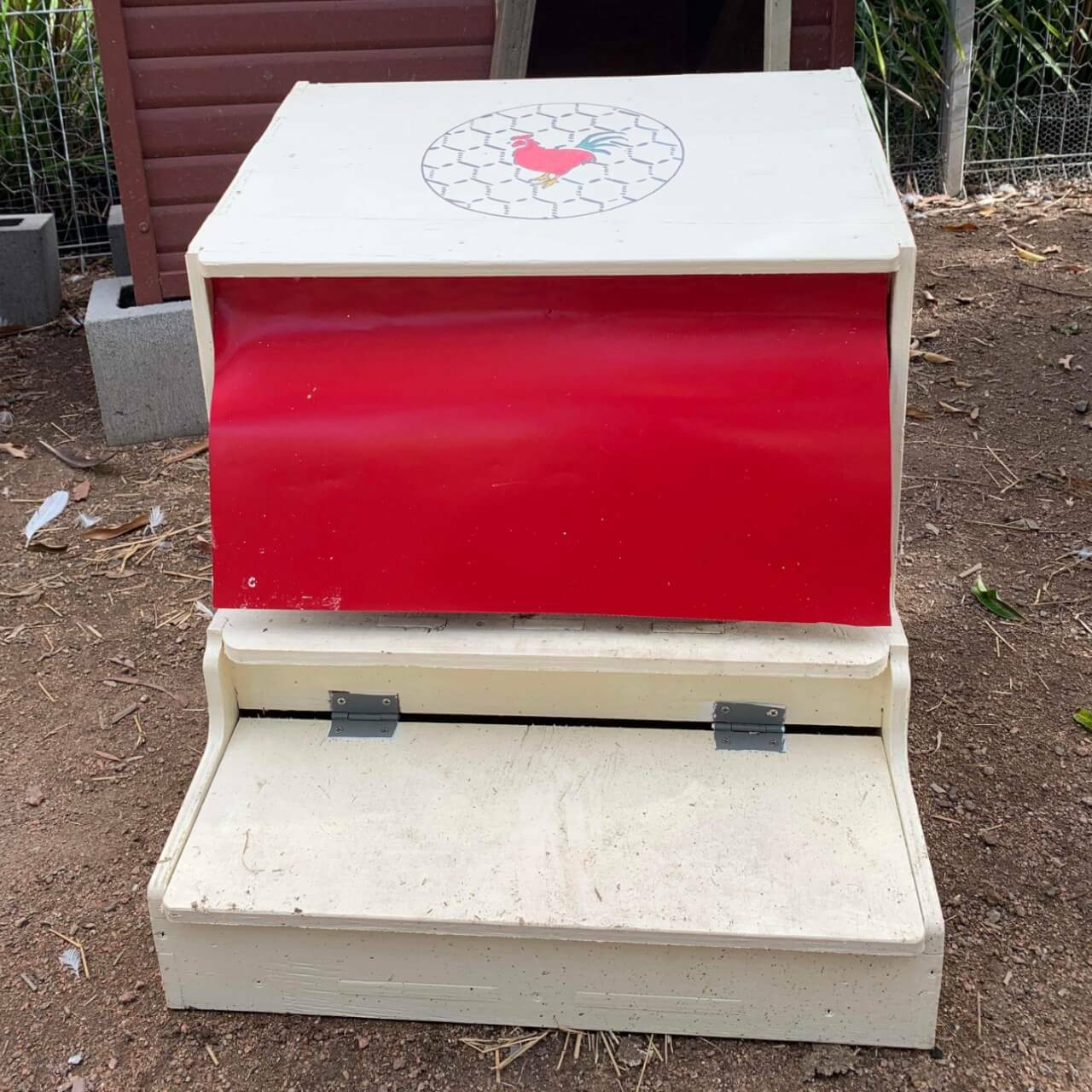
Roll Away Chicken Nesting Box
Designed to gently roll eggs into a covered compartment, keeping them clean and safe. Great for reducing egg breakage and pecking.
Buy the Roll Away Chicken Nesting Box
Reverse Roll Away Nesting Box
Eggs roll out the back of the box—ideal for external collection or keeping coop interiors cleaner.
Flat Pack Roll Away Nesting Box
Same trusted roll-away design, but in flat pack form for more economical shipping and easier DIY assembly.
Buy the Flat Pack Roll Away Box
What Size Nesting Box Do I Need?
Choosing the right nesting box depends on the size of your flock.
As a general rule:
- Single – Up to 6 hens
- Twin – Up to 12 hens
- Roll Away – Up to 16 hens
Need help choosing? Contact us or read our guide: How to choose the best chicken nesting box
Don't forget to check out our innovative, Australian made chicken drinkers and chicken feeders as well to complete your setup!
Installation and Maintenance Tips
Our nesting boxes for chickens come in flat-pack options with a simple assembly system called 'dog bones', a term from CNC manufacturing that ensures a quick and hassle-free setup. For those less inclined towards DIY, we offer a pre-assembly service for an additional cost.
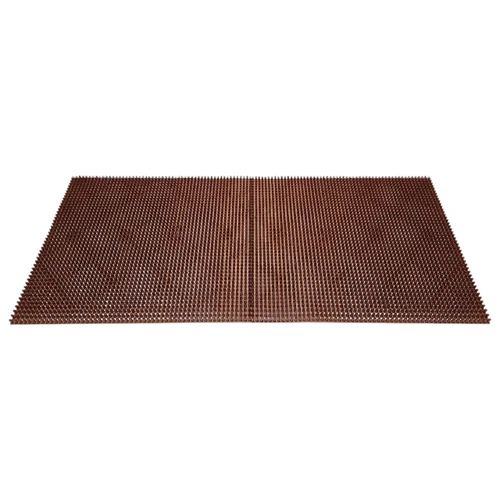
All boxes are paint-ready, just apply a weatherproof coating before installation for long-lasting performance. Removable mats make cleaning simple and reduce mites or odour issues.
Customer Reviews
These chook laying boxes are the real deal – just ask our customers:
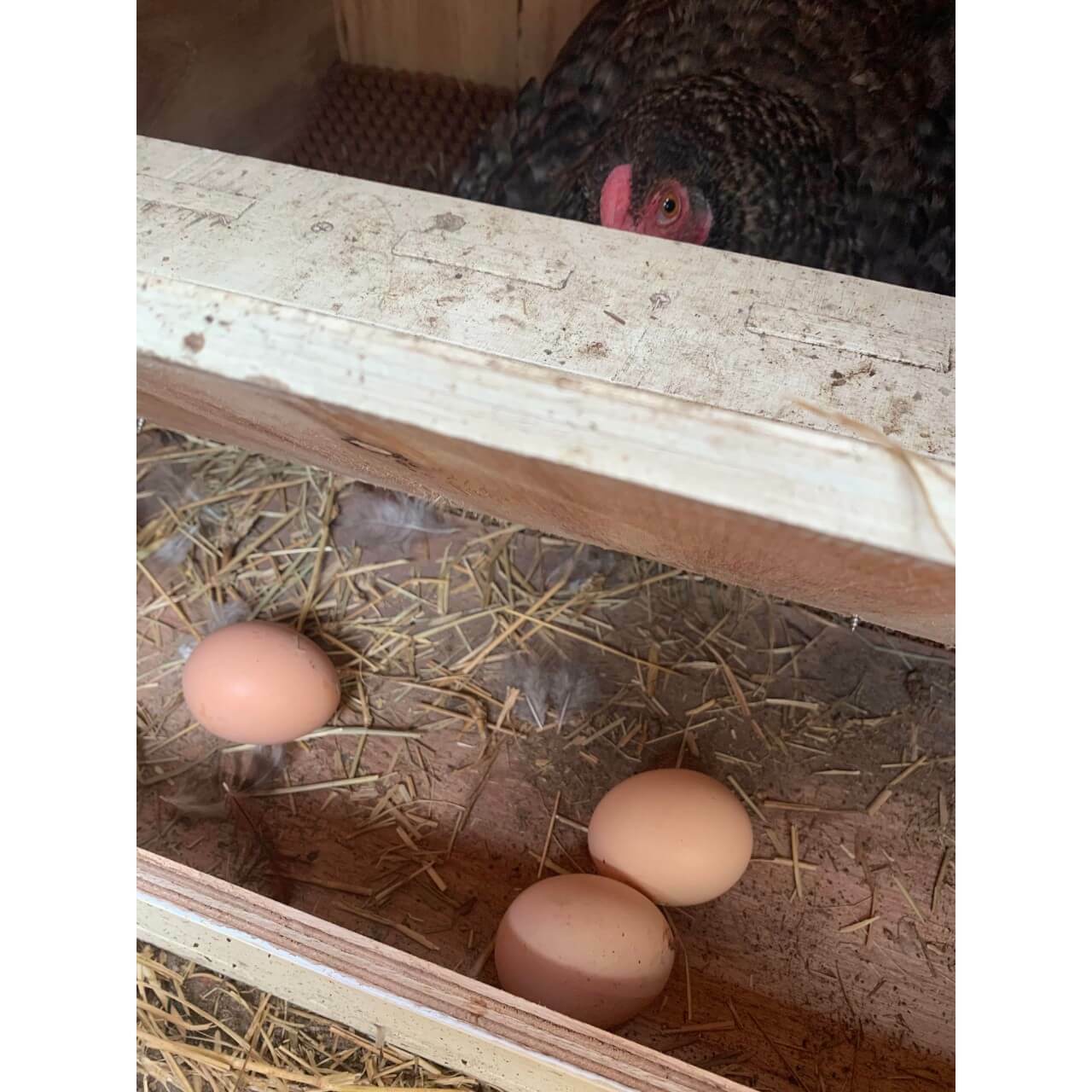
★★★★★ - "Excellent Quality nesting box. Have tried the metal type but they are quite cheap and nasty and heat up like a frying pan. You can tell this is a quality made product and I would highly recommend them."
★★★★★ - "I liked it so much I brought a second one. Easy to assemble and paints up great. Got the kids involved. Definitely recommended."
Choose Local, Choose Quality
Looking for chicken nesting boxes for sale in Australia? Dine-A-Chook offers unbeatable value, built right here for Australian conditions. Compare our products to others on the market, and you'll find that we offer unmatched quality and value.
Whether you need egg safety, ease of maintenance, or aesthetic flexibility, our nesting boxes meet and exceed your expectations.
Discover the durability and innovation of our Australian made chicken nesting boxes. Our range of hen nesting boxes are designed for backyard keepers, hobbyists, and small farms.
Each nesting box offers exceptional quality, sustainability, and user-friendly features, ensuring you find exactly what you need for your flock.
Why Choose a Dine-A-Chook Nesting Box?
Crafted here in Queensland from 12mm exterior-grade hardwood ply, our chook nesting boxes are made to withstand Australian conditions.
With thoughtful design, clean assembly, and sustainable materials, each box reflects our commitment to quality and animal welfare.
Our products are trusted by over 30,000 backyard keepers and farms
- Flat pack or pre-assembled options available
- Unique “Dog Bone” joinery system for fast setup
- Sloped roofs to discourage roosting and protect from weather
- High front panels to reduce bedding spill
- Our chicken laying boxes are customisable with curtains for privacy
With a bit of care these nesting boxes last over 15 years, making them a sound investment.
Compare Our Chicken Nesting Box Range
Single Chicken Nesting Box
Up to 6 hens
Perfect for small flocks, this classic design supports up to 6 hens. Pre-cut, paint-ready plywood with simple DIY assembly.
Buy the Single Chicken Nesting Box
Twin Chicken Nesting Box
Up to 12 hens
With two compartments, this nesting box is ideal for flocks up to 12 birds. Reduces egg crowding and makes collection easy.
Buy the Twin Chicken Nesting Box
Roll Away Chicken Nesting Box
Designed to gently roll eggs into a covered compartment, keeping them clean and safe. Great for reducing egg breakage and pecking.
Buy the Roll Away Chicken Nesting Box
Reverse Roll Away Nesting Box
Eggs roll out the back of the box—ideal for external collection or keeping coop interiors cleaner.
Flat Pack Roll Away Nesting Box
Same trusted roll-away design, but in flat pack form for more economical shipping and easier DIY assembly.
Buy the Flat Pack Roll Away Box
What Size Nesting Box Do I Need?
Choosing the right nesting box depends on the size of your flock.
As a general rule:
- Single – Up to 6 hens
- Twin – Up to 12 hens
- Roll Away – Up to 16 hens
Need help choosing? Contact us or read our guide: How to choose the best chicken nesting box
Don't forget to check out our innovative, Australian made chicken drinkers and chicken feeders as well to complete your setup!
Installation and Maintenance Tips
Our nesting boxes for chickens come in flat-pack options with a simple assembly system called 'dog bones', a term from CNC manufacturing that ensures a quick and hassle-free setup. For those less inclined towards DIY, we offer a pre-assembly service for an additional cost.
All boxes are paint-ready, just apply a weatherproof coating before installation for long-lasting performance. Removable mats make cleaning simple and reduce mites or odour issues.
Customer Reviews
These chook laying boxes are the real deal – just ask our customers:
★★★★★ - "Excellent Quality nesting box. Have tried the metal type but they are quite cheap and nasty and heat up like a frying pan. You can tell this is a quality made product and I would highly recommend them."
★★★★★ - "I liked it so much I brought a second one. Easy to assemble and paints up great. Got the kids involved. Definitely recommended."
Choose Local, Choose Quality
Looking for chicken nesting boxes for sale in Australia? Dine-A-Chook offers unbeatable value, built right here for Australian conditions. Compare our products to others on the market, and you'll find that we offer unmatched quality and value.
Whether you need egg safety, ease of maintenance, or aesthetic flexibility, our nesting boxes meet and exceed your expectations.