



- No egg withholding period — keep collecting and eating eggs right through treatment
- Controls large roundworm, caecal worm and hairworm (threadworm)
- Goes into the drinking water — one morning's dosing, then repeat two weeks later
- The backyard flock size — 125ml covers about 71kg of live weight
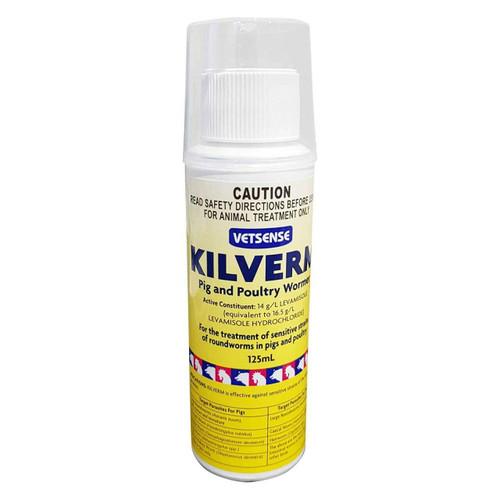
- Active constituent 14 g/L levamisole. Australian made by Vetsense
- Do not use in extremely hot weather, and not within 7 days of slaughter
- No egg withholding period
- Roundworm, caecal worm and hairworm
- In the drinking water, repeat in 2 weeks
- 125ml — the backyard flock size
- 14 g/L levamisole, Australian made
The right size for a backyard flock
Kilverm comes in two sizes, and for most people reading this the 125ml is the one. It holds enough to worm roughly 71kg of live weight — which for a flock of six average hens works out at about three complete wormings, or a year and a half of routine six-monthly treatment.
Buying the bigger bottle for a small flock is not the saving it looks like. A 500ml would take that same six hens the better part of six years to get through, and it carries an expiry date like anything else. Worm more than about eight birds, or keep more than one flock, and the 500ml starts to make sense.
Keep eating the eggs
This is the reason most backyard keepers choose Kilverm. There is no egg withholding period — you treat the flock and carry on collecting and eating the eggs the whole way through. Nothing gets thrown out.
That matters more than it sounds. The usual reason a flock goes too long between wormings is not forgetfulness, it is not wanting to bin a fortnight of eggs. Take that away and routine worming becomes something you actually do.
Does my flock have worms?
Almost every chicken carries a few. A healthy bird handles a small burden without ever showing it, and the goal is keeping the load down rather than sterilising the bird. It is when the load climbs — or the bird is stressed, unwell or poorly fed — that it starts to cost you. Signs worth acting on:
- Losing weight, or pullets and meat birds not putting it on
- Eating noticeably more, or noticeably less, than usual
- A pale comb and wattles
- Dropping off in lay, or pale yolks
- Thin white “threads” in the egg white — these are hairworms
- Loose, pale or foamy droppings, and dirty vent feathers. In a heavy burden you may see roundworms in the droppings
You do not have to wait for any of it. Worming on a routine is the cheaper and easier way round, particularly for birds that free range.
How much do they need?
Kilverm is dosed on body weight, not per bird, so add up roughly what your flock weighs and work from that. The rate is 1.75ml per kilogram of live weight, or 10ml per 6kg.
| Bird | Kilverm |
|---|---|
| Bantam, around 1kg | 1.75 ml |
| Average laying hen, around 2kg | 3.5 ml |
| Large hen or small rooster, 3kg | 5.25 ml |
| Heavy breed rooster, 4kg | 7 ml |
| A flock of six 2kg hens (12kg) | 21 ml |
Dilute it at one part Kilverm to twenty parts water — so 10ml of Kilverm goes into 200ml of water. Mix only what the flock will actually drink in a morning; a few hens will not get through two litres.
Getting them to drink it
Here is where people come unstuck. The active ingredient, levamisole, is bitter. The birds taste it, they sip at it instead of drinking it, and you are left wondering whether they got the dose at all. The whole dose needs to go in, and reasonably quickly.
There are two halves to solving that, and we use both.
A tablespoon of honey in the mix
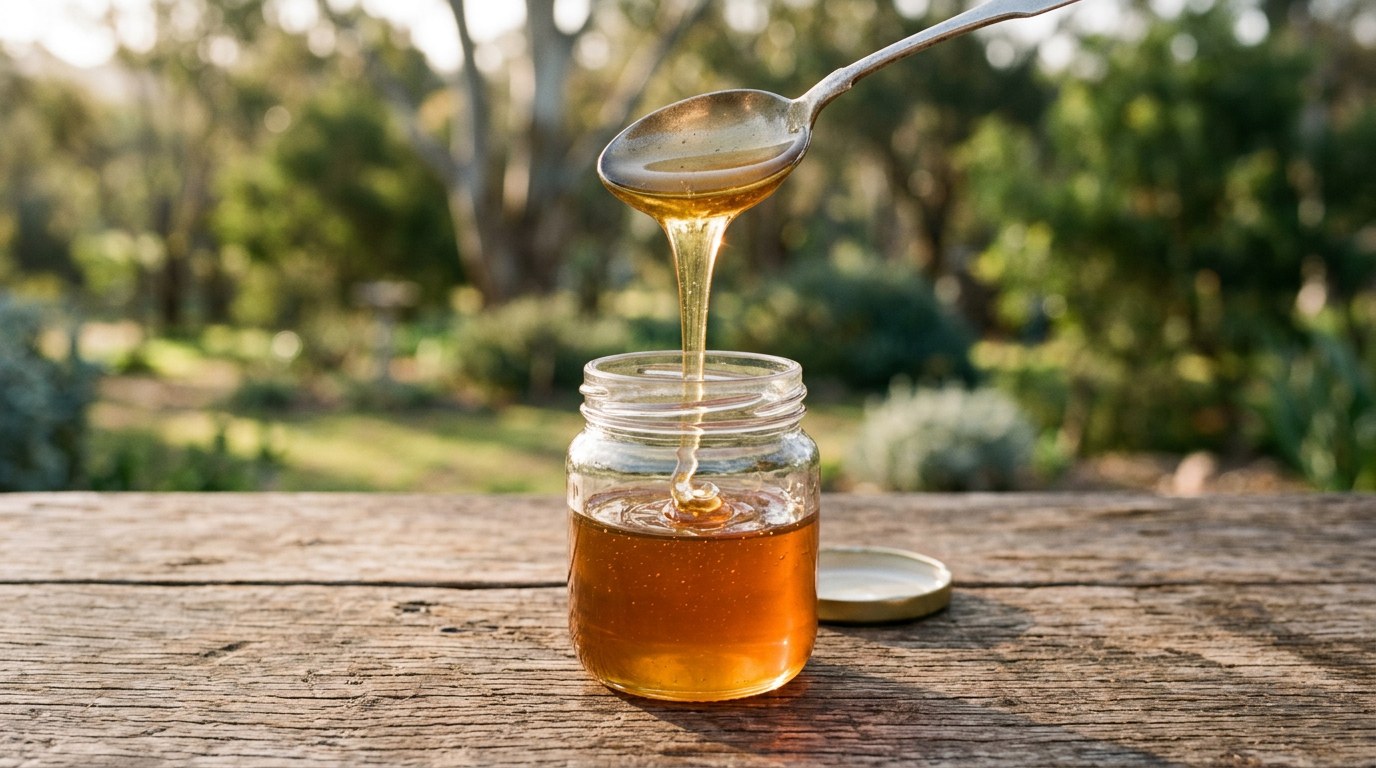
This is what we do, and what we have told customers for years: stir a good tablespoon of honey through the mix. It sweetens the water enough that they drink it properly, and honey is a prebiotic, so it is doing the birds a favour on the way through.
And take the water away the night before
Thirst does the rest
Lift the drinkers about two hours before dark. In the morning, put the honeyed mix out at first light as their only water. Thirsty birds at daybreak will drink it straight down, which is exactly what you want. Check there is no puddle, pond or forgotten second drinker to wander off to — one of those will undo the whole thing.
Replace it with fresh clean water once they have finished it, or after eight hours, whichever comes first.
Then do it again in two weeks
This is the step people skip, and it is why a worming sometimes seems not to have worked. The dose deals with the worms in the bird now, but it does nothing to the eggs — so the second dose, two weeks later, is what catches the next lot as they mature. Miss it and you are back where you started within a month.
Clean the coop and run out thoroughly about 24 hours after treating, or the birds pick the parasite straight back up off the ground.
What it controls
| Large roundworm | Ascaridia galli — the most common intestinal worm in chickens |
| Caecal worm | Heterakis gallinae — lives in the caeca |
| Hairworm / threadworm | Capillaria spp. — the thin threads sometimes seen in egg white. Two names, one worm |
Those are the three intestinal worms on the label. Kilverm does not treat tapeworm, and it does not treat gapeworm — which lives in the windpipe rather than the gut, and looks completely different. Coughing, neck-stretching, head-shaking, gasping or wheezing is not an intestinal worm; see what gapeworm actually looks like, and speak to a vet, because it is easily confused with respiratory disease. Our full comparison of Fluverm and Kilverm covers which one suits which job.
Worth being clear on one thing: this is an internal wormer. It does nothing for mites, lice or any other external parasite — those are a separate job.
Ducks, turkeys and other birds
The label covers domestic fowl, turkeys and other birds, so the same water dosing and the same 1.75ml per kilogram applies across the poultry yard — you are simply working to a different body weight. A Pekin duck at around 2.5kg needs about 4.4ml; a mature turkey at 8kg needs 14ml.
The bottle is labelled Kilverm Pig and Poultry Wormer, and it is registered for pigs as well, at a different rate and a different withholding period. The pig rates are on the label.
When to worm
- Routinely, every six months, whether or not anything looks wrong. Spring and autumn is an easy pair to remember. Free-range birds pick up more off the ground and may need it more often.
- Before new birds join the flock, rather than after.
- If you see the signs above — weight loss, a pale comb, dropping off in lay, or threads in the egg white.
Before you use it
Not in extreme heat
Kilverm is contraindicated in extremely hot weather. In a Queensland summer, treat early in the morning on a mild day, or wait for the weather to break. It is also worth leaving alone any bird that is already unwell, badly stressed or broody.
- Eggs: no withholding period. Keep collecting and eating them right through.
- Meat birds: do not use within 7 days of slaughter for human consumption.
- Mix fresh, and make up only what the flock will drink that morning.
- It is a veterinary medicine — avoid contact with skin and eyes, and keep it away from children. If swallowed, ring the Poisons Information Centre on 13 11 26.
- Always read the label and follow the directions for use.
Which size do I need?
The 125ml on this page covers about 71kg of live weight — roughly three complete wormings for a flock of six average hens, or about eighteen months of six-monthly worming. It suits the usual backyard flock, and you will use it before it expires.
Past about eight birds, or if you keep more than one flock, the 500ml bottle is the better buy.
Specifications
| Size | 125ml |
| Covers | Approx. 71kg of live weight |
| Active constituent | 14 g/L levamisole (as 16.5 g/L levamisole hydrochloride) |
| Controls | Large roundworm, caecal worm, hairworm |
| Dose rate | 1.75 ml per kg live weight (10 ml per 6 kg) |
| Dilution | 1 part Kilverm to 20 parts water |
| Repeat | 2 weeks after the first dose |
| Egg withholding | Nil |
| Meat withholding | 7 days |
| Also suitable for | Turkeys and other birds; pigs at their own rate (see label) |
| Manufacturer | Vetsense — made in Australia |
| Shipping | Australian delivery only. International orders will be refunded |
Always read the label and follow the directions for use. If you are worried about a bird, speak to a vet. For more on keeping a flock healthy, visit our Chook School.
Product Specifications
- Size:
- 125ml
Frequently Asked Questions
Sizing, dosing and the questions we actually get asked about worming a backyard flock.
Is 125ml enough for my flock?
For a normal backyard flock, comfortably. The bottle holds enough for about 71kg of live weight. Six average 2kg hens need 21ml a dose and 42ml for a complete worming, so one bottle covers roughly three complete wormings — about eighteen months if you worm every six months. Once you are past about eight birds, or keeping more than one flock, the 500ml is the better buy.
How do I work out the dose?
By weight, not by head count. Allow 1.75ml per kilogram of live weight — a bantam about 1.75ml, an average laying hen 3.5ml, a big rooster around 7ml. Add the flock up and dose the total in one go, then dilute at one part Kilverm to twenty parts water. You do not need scales; a sensible estimate of what each bird weighs is enough.
Can I still eat the eggs?
Yes — the egg withholding period is nil. You can collect and eat the eggs as normal right through the treatment and afterwards. Nothing has to be set aside or thrown out, which is the main reason people pick Kilverm over the alternatives.
Mine will not drink it. What do I do?
Levamisole tastes bitter, and a chicken that can find water anywhere else will go and find it. Two things fix that, and we use both. Stir a good tablespoon of honey through the mix to sweeten it — that is our own practice rather than a label direction, and honey is a prebiotic so it does them a favour on the way through. Then make them properly thirsty: lift the drinkers about two hours before dark, put the medicated water out at first light as the only water available, and check there is no puddle, pond or second drinker to escape to. Mix only what they will get through in a morning.
Why do I have to dose them twice?
Because the dose deals with the worms living in the bird right now and does nothing to the eggs already in the gut and on the ground. Two weeks later that next generation has matured, and the second dose is what catches it. Skip it and the flock is back where it started inside a month — this is the single most common reason a worming appears not to have worked. Give the coop and run a solid clean-out about 24 hours after each dose too.
How often should chickens be wormed in Australia?
Every six months as a routine — spring and autumn is an easy pair to remember — plus any time new birds are about to join the flock. Birds that free range over the same ground year-round pick up a heavier burden and may need it more often. Because there is no egg withholding period, there is nothing to plan around.
Can I use it on ducks, turkeys and other birds?
Yes. The label covers domestic fowl, turkeys and other birds, and the rate is the same 1.75ml per kilogram — you are just working to a different body weight. A Pekin duck at about 2.5kg needs roughly 4.4ml; a mature turkey at 8kg needs about 14ml. Ducks tip and splash a drinker more than chickens do, so mix a little extra and keep an eye on how much actually went in.
How young can a bird be wormed?
The label does not set a minimum age. In practice, worms are picked up off the ground, so it is worth worming once birds are out ranging rather than while they are still brooding indoors, and treating the whole flock together on the same routine. If you want to worm very young chicks, or a bird that is unwell, ask your vet first — the label also advises against treating birds that are stressed, sick or broody.
Does it treat gapeworm or tapeworm?
Neither. Kilverm's label covers three intestinal worms: large roundworm, caecal worm and hairworm. Gapeworm lives in the windpipe, not the gut, and looks completely different — coughing, head-shaking, neck-stretching, gasping. That is one for a vet, and it is easily confused with respiratory disease. Tapeworm is not on Kilverm's label either.
Will it help with mites or lice?
No — this is an internal wormer and does nothing to external parasites. Mites and lice live on the bird and in the coop and are a separate job with a separate product. If you are seeing scratching, feather damage around the vent, or grey specks along the perches, that is not worms.
Can I worm in hot weather?
No. The label states Kilverm is contraindicated in extremely hot weather, which matters in an Australian summer. Treat first thing on a mild morning, or wait for the weather to break. The birds also need to drink the dose in one go, and they behave far more predictably about that on a cool morning.
What about meat birds?
Kilverm can be used on meat birds, but not within 7 days of slaughter for human consumption. Worm well ahead of processing and that is not an issue. The bottle is registered for pigs as well, at their own rate and their own withholding period — both are on the label.
What is the difference between the 125ml and the 500ml?
Volume only — identical product, identical concentration, identical dose rate. The 125ml covers about 71kg of live weight and the 500ml about 280kg. Buying the larger bottle for a handful of hens is not the saving it looks like, because it carries an expiry date and six hens would take years to finish it. Small flock, 125ml. Bigger flock, several flocks, or a mix of poultry and pigs, 500ml.
Not sure what your flock weighs, or which wormer you need? Get in touch — we are a small Australian family business and we answer our own emails.