Chicken Worming
Worms are one of the most common health issues in backyard flocks - and one of the easiest to prevent. Regular worming keeps your chickens healthy, productive, and laying well. We stock trusted Australian poultry wormers that are safe for laying hens.
Our Poultry Wormers
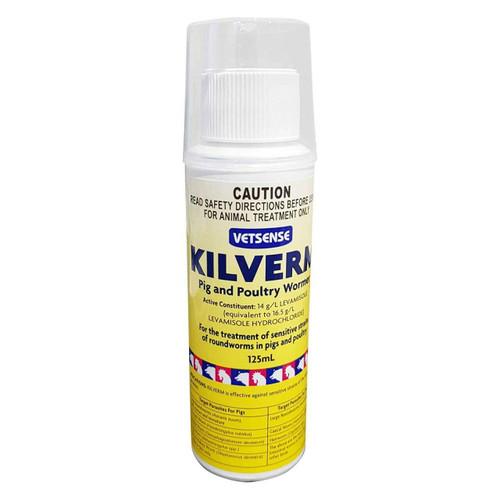
Kilverm - A liquid wormer you add to drinking water. Effective against common intestinal worms including roundworm, caecal worm, and hairworm. No egg withholding period when used as directed. The easiest option for most backyard flocks.
Fluverm - A powder you mix into feed. Broad-spectrum coverage that also targets tapeworm. A good option if you suspect a mixed infestation or want comprehensive protection.
How to Worm Your Chickens
Forget chasing birds around the coop. Both options let you treat the whole flock at once without handling individual birds.
For Kilverm, add the recommended dose to a medication drinker and your chickens dose themselves through their drinking water.
For Fluverm, mix the powder through your flock's feed according to the directions.
When to Worm
We recommend worming your flock every 6 to 8 months as a preventative measure - don't wait for symptoms to appear. Free-range birds and flocks with access to soil should be wormed more frequently, as they're more likely to pick up parasites.
Signs Your Chickens May Have Worms
If you notice any of these symptoms, it's time to worm:
- Unexplained weight loss or poor growth
- Pale comb and wattles
- Drop in egg production
- Pale yolks or threads visible in egg whites
- Diarrhoea, foamy droppings, or visible worms in droppings
- Dirty feathers around the vent
- Gaping, gasping, or wheezing (signs of gapeworm)
Need Help?
Not sure which wormer suits your situation? Give us a call on 1800 103 326 during business hours - we're happy to help you work out what you need.
Worms are one of the most common health issues in backyard flocks - and one of the easiest to prevent. Regular worming keeps your chickens healthy, productive, and laying well. We stock trusted Australian poultry wormers that are safe for laying hens.
Our Poultry Wormers
Kilverm - A liquid wormer you add to drinking water. Effective against common intestinal worms including roundworm, caecal worm, and hairworm. No egg withholding period when used as directed. The easiest option for most backyard flocks.
Fluverm - A powder you mix into feed. Broad-spectrum coverage that also targets tapeworm. A good option if you suspect a mixed infestation or want comprehensive protection.
How to Worm Your Chickens
Forget chasing birds around the coop. Both options let you treat the whole flock at once without handling individual birds.
For Kilverm, add the recommended dose to a medication drinker and your chickens dose themselves through their drinking water.
For Fluverm, mix the powder through your flock's feed according to the directions.
When to Worm
We recommend worming your flock every 6 to 8 months as a preventative measure - don't wait for symptoms to appear. Free-range birds and flocks with access to soil should be wormed more frequently, as they're more likely to pick up parasites.
Signs Your Chickens May Have Worms
If you notice any of these symptoms, it's time to worm:
- Unexplained weight loss or poor growth
- Pale comb and wattles
- Drop in egg production
- Pale yolks or threads visible in egg whites
- Diarrhoea, foamy droppings, or visible worms in droppings
- Dirty feathers around the vent
- Gaping, gasping, or wheezing (signs of gapeworm)
Need Help?
Not sure which wormer suits your situation? Give us a call on 1800 103 326 during business hours - we're happy to help you work out what you need.