

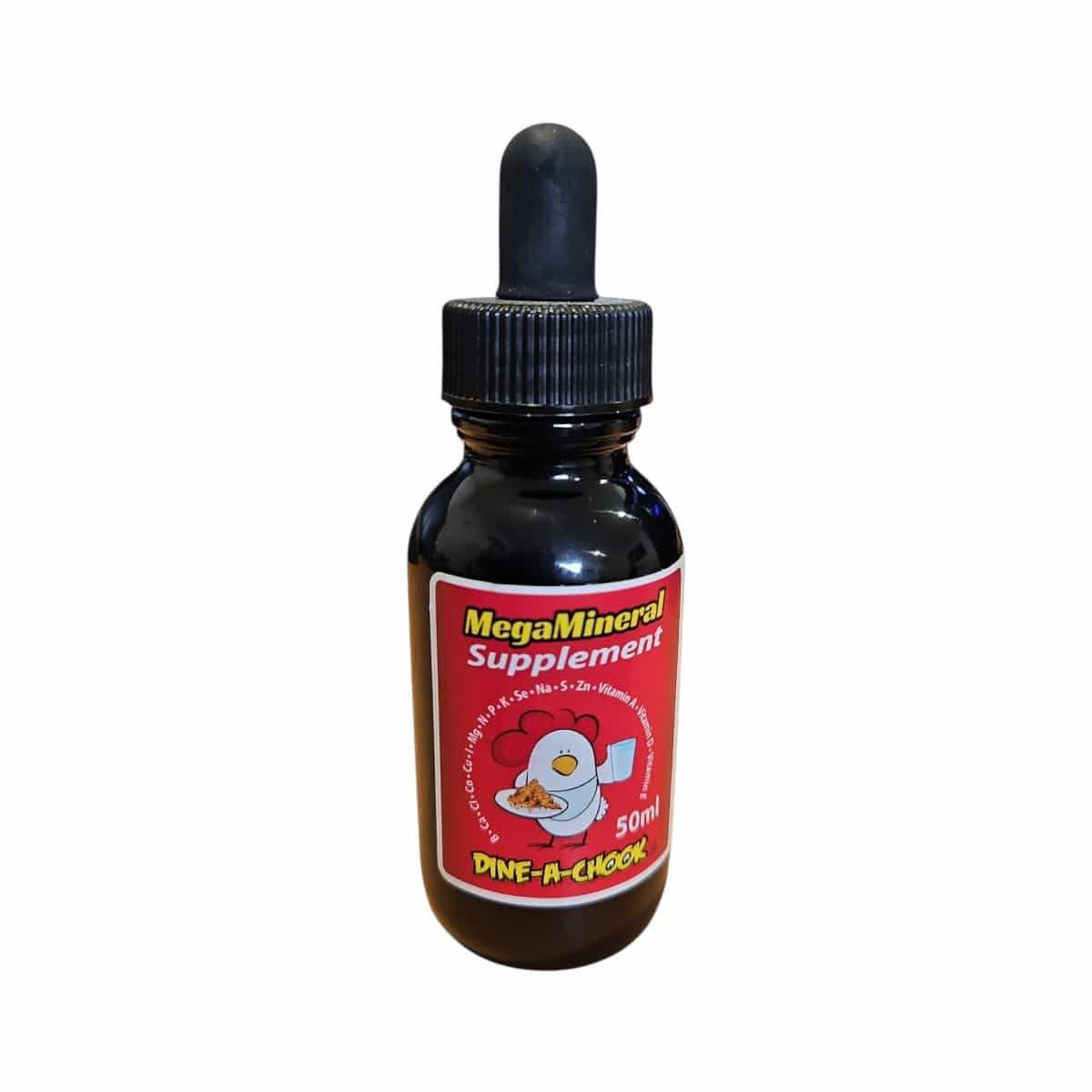



- Chelated mineral supplement — nutrients instantly available to the bird
- Supports stronger egg shells, feather condition and overall flock health
- Ideal during moulting, stress or recovery periods
- 50ml concentrated formula — simply mix into drinking water as directed
- Suitable for backyard flocks of all sizes
- Australian made and backed by real local support
- 50ml chelated mineral supplement
- Nutrients instantly available to the bird
- Supports shell strength & feather condition
- Easy to mix into drinking water
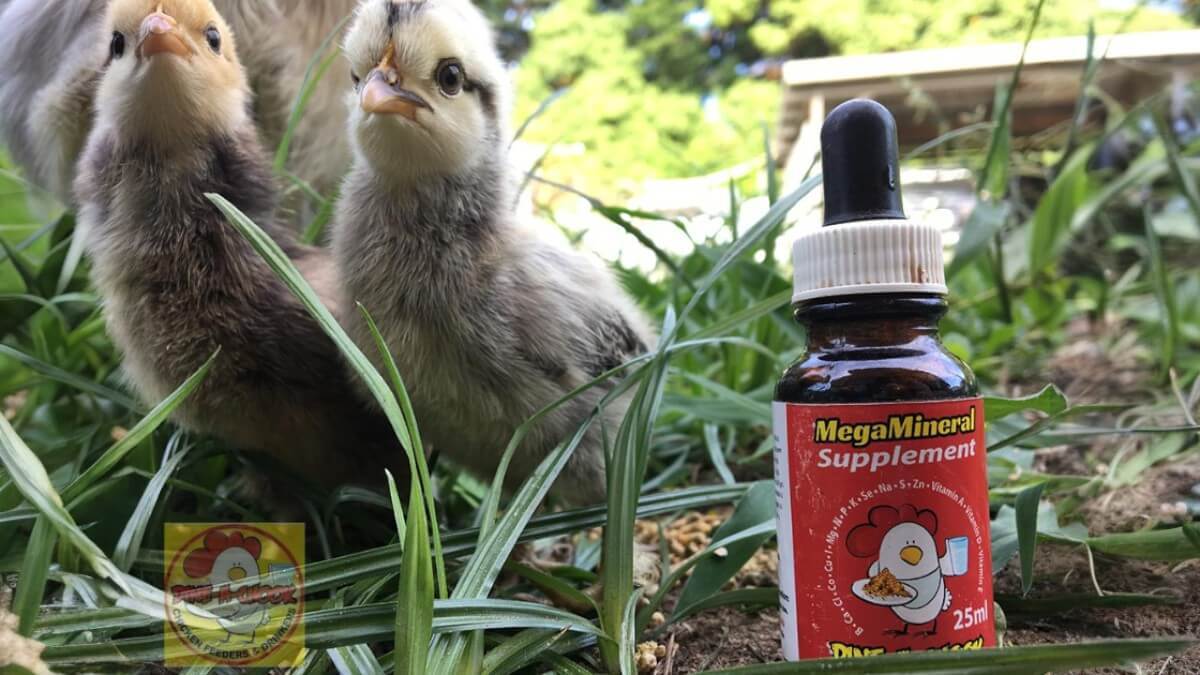
When something's not quite right with your flock
Feathers that have lost their shine. Shells that crack too easily. A moult that's dragging on longer than it should. Birds that just seem a bit flat.
These aren't always signs of illness — often, they're signs of mineral deficiency. And the 50ml Mega Mineral is a simple, low-commitment way to find out if trace minerals are what's been missing.
Why deficiencies happen — even with good feed
Australian soils are naturally low in trace minerals — selenium, zinc, copper, manganese. The grains in your chickens' feed can only contain what's in the soil they grew in. No matter how premium the brand, the raw ingredients often fall short.
Add treats, scraps, or free-range foraging (which dilute their feed intake), and the gap widens. The result? Subtle deficiencies that show up in feather quality, shell strength, moult recovery, and general vitality.
50ml — Enough to see if it helps
For a small flock of 4–6 birds, this bottle lasts 3–5 months.
That's enough time to see real changes in feathers, shells, and overall condition — without committing to a larger bottle upfront.
Signs that trace minerals might help
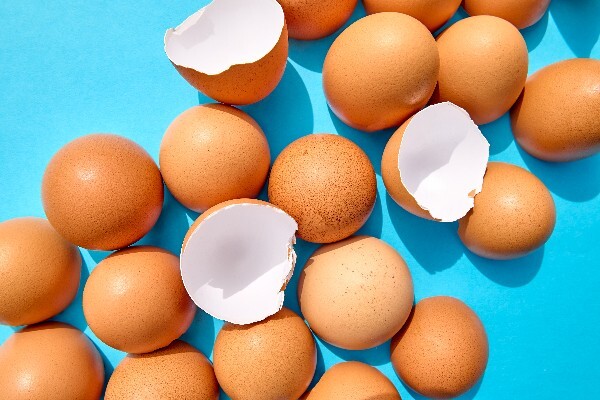
Shell grit provides calcium — but your hens also need phosphorus and manganese to utilise calcium properly, plus zinc for shell membrane formation. If grit alone isn't solving the problem, trace minerals are the logical next step.
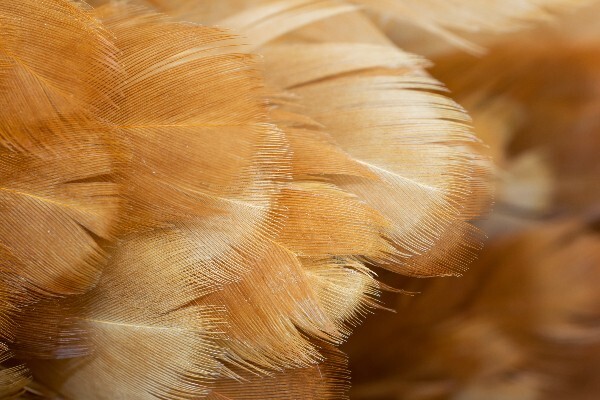
Feathers are made of keratin, which relies on sulphur and copper. Zinc supports the growth process. Dull, lifeless feathers that lack sheen are often a visible sign of mineral shortfall.
Moult is mineral-intensive — birds are regrowing thousands of feathers while their feed intake often drops. Zinc, manganese, and sulphur support faster, healthier feather regrowth.
Low energy and general listlessness can have many causes — but if there's no obvious illness, mineral deficiency is worth investigating. Cobalt (needed for B12 production), selenium, and iron all play roles in vitality.
Why chelated minerals work better
Many supplements pass straight through without being absorbed — wasted money and no real benefit.
Chelated minerals are different. They're bonded to amino acids — molecules the body already recognises and absorbs. The minerals hitchhike into the bloodstream instead of being excreted unused.
This is why 4–5 drops per litre is all your birds need. Small dose, real absorption.
What these minerals support
Each trace mineral plays a specific role in your chickens' health.
How to use
Active moult • Recovery from illness • Hot weather stress • Breeding season • New birds settling in
What's inside
How long will 50ml last?
Based on daily use at 5 drops per litre.
Like the results? The 250ml bottle gives you 1.5–2.5 years of daily support for around $2/month.
Available sizes
This listing is for the 50ml bottle. Click above to view other sizes.
Not just for chickens
If you keep other poultry or animals, the same chelated minerals benefit them too.
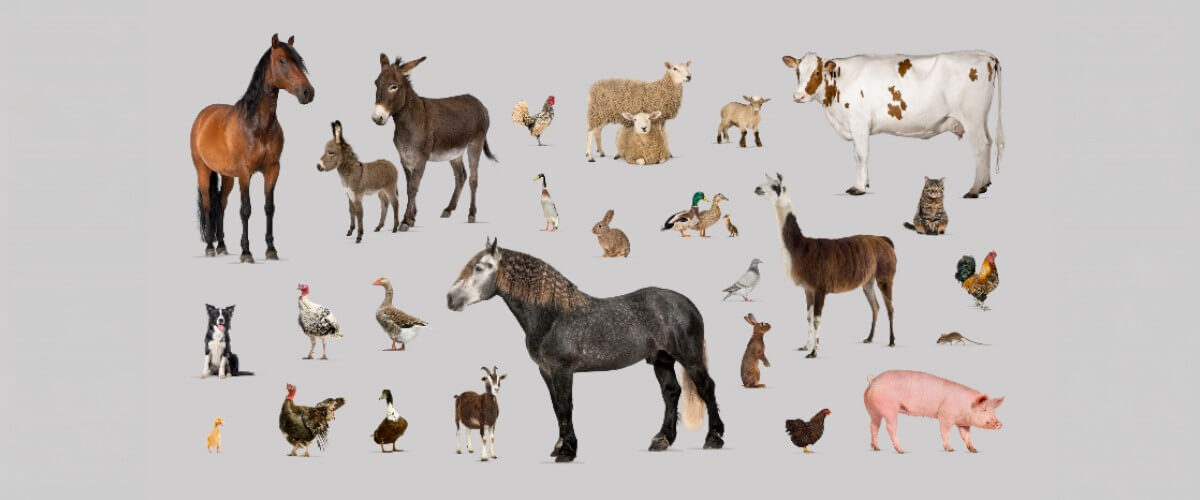
4–5 drops per litre
2–3 drops per litre
6–8 drops per litre
1–2ml per day
3ml per day
Specifications
| Size | 50ml |
| Bottle material | HDPE plastic |
| Dispenser | Dropper cap |
| Dosage | 4–5 drops per litre of water |
| Approximate yield | ~1,000 drops |
| Shelf life | 24 months from manufacture |
| Storage | Cool, dry place away from direct sunlight |
| Suitable for | All poultry and livestock |
| Made in | Australia |
Find out if trace minerals are what's missing
The 50ml bottle gives you 3–5 months of daily supplementation — enough time to see real changes in feathers, shells, and overall condition.
Chelated for absorption. Australian made. Trusted by 50,000+ customers.
Questions? 1800 103 326 — we're here to help.
Product Specifications
- Size:
- 50ml
- Bottle Material:
- Amber Glass
- Dispenser Type:
- Eyedropper
- Recommended Usage:
- 2-3 drops per litre of water
- Storage Instructions:
- Store in a cool, dry place away from direct sunlight
- Shelf Life:
- 24 months from the date of manufacture
- Product Form:
- Liquid
- Suitability:
- Suitable for all types of poultry
- Bioavailability:
- High (Chelated Minerals)
- Certifications:
- Organic, Non-GMO
- Warning:
- Do not exceed recommended dosage
Frequently Asked Questions
Common questions about using Mega Mineral for specific issues.
If the problem is mineral-related, it should help. Soft shells often indicate more than just a calcium shortage — your hens also need phosphorus and manganese to utilise calcium properly, plus zinc for shell membrane formation. Mega Mineral provides all of these. If shell grit alone hasn't solved it, trace minerals are the logical next step. Most keepers see shell improvements within 2–3 weeks if deficiency was the cause.
Dull, lifeless feathers are a classic sign of mineral deficiency. Feathers are 85% protein (keratin), built with sulphur and copper. Zinc supports the growth process. If your birds are getting good feed but still have poor feather quality, trace minerals are worth trying. Expect 4–8 weeks before you see real improvement — feathers grow slowly, but new growth should come in healthier.
Moult is extremely mineral-intensive — your hens are regrowing thousands of feathers while their appetite often drops. Zinc, manganese, and sulphur all support feather regrowth. Increasing the dose to 6–8 drops per litre during active moult provides extra support when they need it most. Many keepers use Mega Mineral specifically for moult season.
It depends on the issue. Shell quality can improve within 2–3 weeks. Feather improvements take longer — 4–8 weeks — because feathers grow slowly. Energy and vitality changes can be more subtle and gradual. The 50ml bottle gives you 3–5 months of daily use, which is enough time to see whether it's making a difference for your flock.
No — use them together. Shell grit provides calcium, which laying hens need in large amounts. Mega Mineral provides the other trace minerals (phosphorus, manganese, zinc, etc.) that help the body actually use that calcium, plus all the minerals needed for feathers, immune function, and overall health. They complement each other.
Possibly. If there's no obvious illness, mineral deficiency is worth investigating. Cobalt (needed for B12 production), selenium, and iron all play roles in energy and vitality. Low-level deficiency often shows up as birds that just seem "flat" without any clear symptoms. It's a simple, low-risk thing to try before assuming something more serious.
Chelated minerals are bonded to amino acids — molecules the body already knows how to absorb. Many cheap supplements use inorganic minerals that pass straight through without being absorbed. Chelated minerals hitchhike into the bloodstream where they can actually do something. It's why the dose is small (4–5 drops) but effective.
Yes. They do different things. Apple cider vinegar is often used for gut health and general wellness. Mega Mineral provides specific trace minerals that address deficiencies. There's no conflict between them — many keepers use both.
Yes — in fact, recovery periods are one of the times when extra mineral support can be beneficial. Selenium and Vitamin E support immune function, and the body needs minerals to repair and rebuild. You can increase to 6–8 drops per litre during recovery. However, if your bird is seriously ill, see a vet — mineral supplementation isn't a substitute for medical treatment.
If you've been using it consistently for a few weeks and haven't noticed improvement, there may be other factors at play — feed quality, environmental stress, underlying health issues, or simply that mineral deficiency wasn't the cause. Reach out to us — we're happy to talk through your situation and help troubleshoot.
Yes. Manufactured in Australia. Dine-A-Chook is an Australian family business based in Queensland — we've been helping backyard chicken keepers for over 15 years.
If you're seeing results and plan to continue daily use, the 250ml bottle is usually the best value for backyard flocks — it lasts 1.5–2.5 years for 4–6 birds and works out to around $2 per month. The 50ml is designed as a starting point to see if it helps before committing to a larger size.
Still have questions? Call us on 1800 103 326 — we're real people who keep chickens too.