




Support your flock from day one — and every day after
You're already doing the right things. Good feed. Clean water. A safe coop. But there's one thing most chicken keepers don't realise: even premium feeds can only be as good as the soil they're grown in.
And Australian soils are notoriously mineral-depleted.
The gap your feed can't fill
Grains and seeds absorb minerals from the soil they grow in. When the soil is low in zinc, selenium, copper, or manganese — the feed is too. No amount of "premium" labelling changes the chemistry.
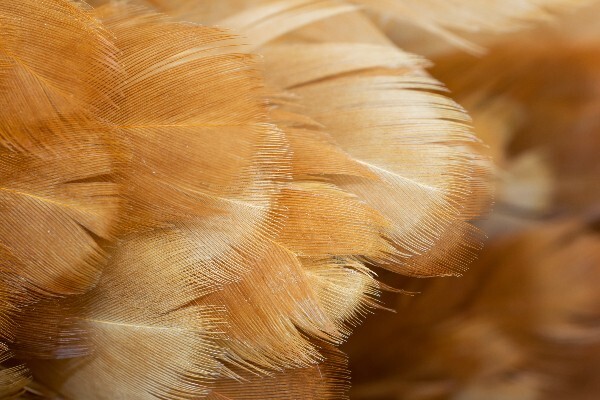
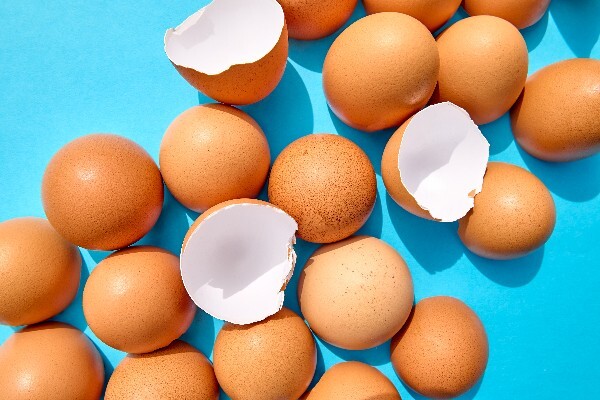
Mineral deficiencies don't always show up as obvious illness. They show up as subtle things: dull feathers, thin shells, slow recovery from moult, birds that just seem a bit "flat."
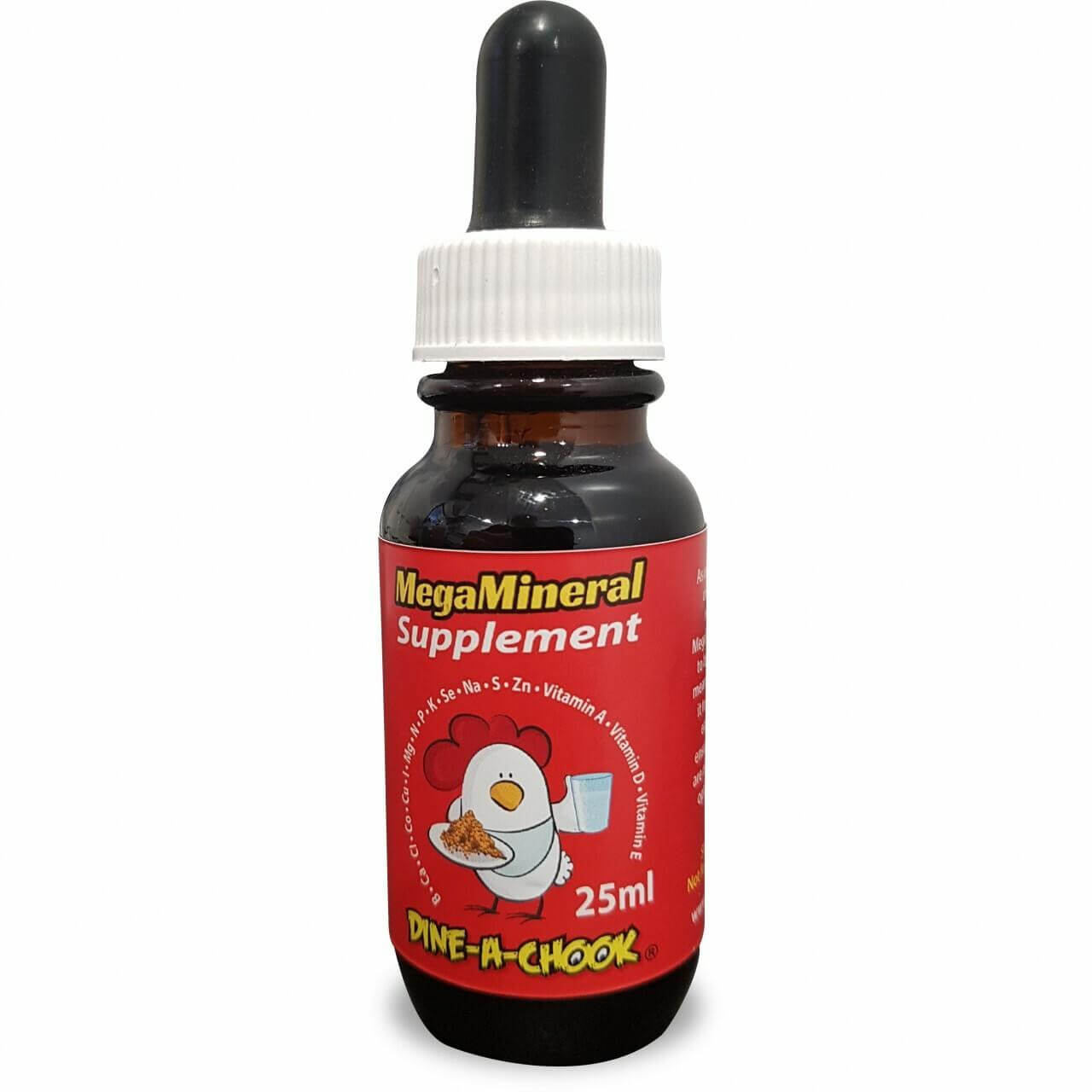
Mega Mineral is designed to fill that gap — providing the trace minerals that support your birds' everyday health, in a form they can actually absorb.
What makes this different: Chelated minerals
Most mineral supplements pass straight through the digestive system — the body doesn't recognise them, so it doesn't absorb them.
Chelated minerals are different. They're bonded to amino acids — molecules the body recognises and absorbs readily. The minerals hitchhike in on the amino acids, getting where they need to go instead of being lost.
This is called bioavailability — and it's why chelated supplements are more effective at lower doses.
What these minerals support
Each mineral plays a role in your birds' everyday wellbeing.

How to use
During moult • Young growing birds • Recovery from stress or illness • Breeding season
What's inside
Which size is right for your flock?
Find your flock size below for our recommendation.
Smaller flock or just want to try it first? Start with the 25ml ($19.95) or 50ml ($29.95).
Available sizes
This listing is for the 25ml bottle. Click above to view other sizes.
Not just for chickens
The same mineral support benefits other animals too. If you keep any of these alongside your chickens, they can share the same supplement.
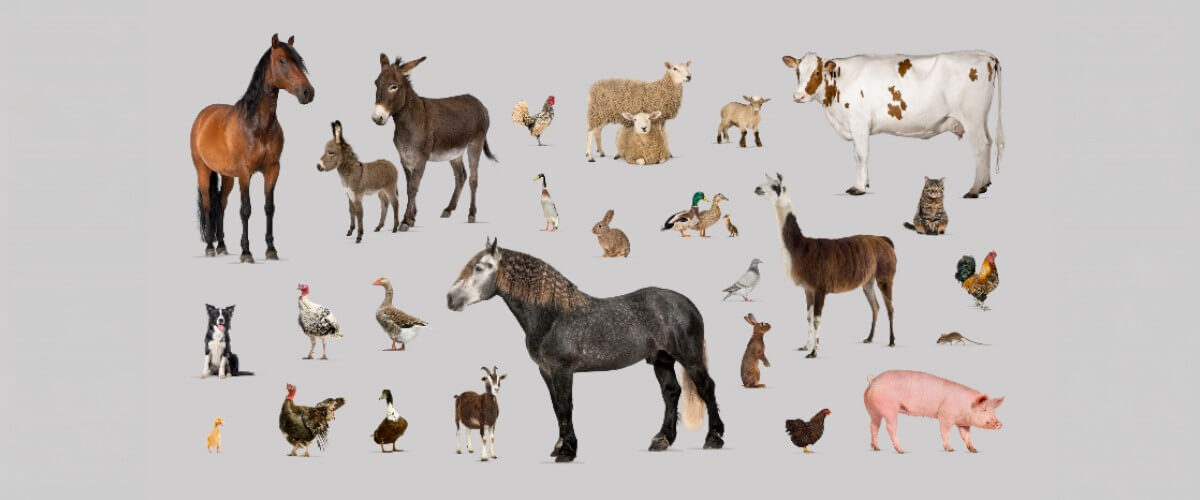
4–5 drops per litre
2–3 drops per litre
6–8 drops per litre
1–2ml per day
3ml per day
Contact us if you'd like guidance for a specific animal or situation.
Specifications
| Size | 25ml |
| Bottle material | Amber glass |
| Dispenser | Eyedropper |
| Dosage | 4–5 drops per litre of water |
| Shelf life | 24 months from manufacture |
| Storage | Cool, dry place away from direct sunlight |
| Suitable for | All poultry and livestock |
Simple, ongoing care for healthier birds
A few drops a day. That's all it takes to support your flock's mineral needs — from their first drink to their last.
Chelated for absorption. Sea-based. Australian owned.
Questions? 1800 103 326 — we're here to help.
Product Specifications
- Size:
- 25ml
- Bottle Material:
- Amber Glass
- Dispenser Type:
- Eyedropper
- Recommended Usage:
- 2-3 drops per litre of water
- Storage Instructions:
- Store in a cool, dry place away from direct sunlight
- Shelf Life:
- 24 months from the date of manufacture
- Product Form:
- Liquid
- Suitability:
- Suitable for all types of poultry
- Bioavailability:
- High (Chelated Minerals)
- Certifications:
- Organic, Non-GMO
- Warning:
- Do not exceed recommended dosage
Frequently Asked Questions
Real questions from real chicken keepers.
Mineral deficiencies rarely show up as obvious illness. They're subtle: dull feathers that lack sheen, shells that crack too easily, slow moult recovery, birds that just seem a bit "off." If your chickens eat commercial feed grown in Australian soil — which is notoriously mineral-depleted — there's a good chance they're not getting everything they need. Mega Mineral is designed to fill that gap as part of their daily routine.
We can't make promises — every flock is different, and results depend on what deficiencies (if any) your birds have. What we can say is that these minerals are the building blocks for feather growth, shell formation, immune function, and overall vitality. If your birds were low in any of them, providing those building blocks gives their bodies what they need to do their job. Many customers report noticing improvements in feather condition and shell quality within a few weeks, but it's not a magic fix — it's foundational support.
Good question — it's not just marketing jargon. Chelated minerals are bonded to amino acids, which are molecules the body already recognises and absorbs. Think of it like a hitchhiker catching a ride: the mineral attaches to something the body is already letting in, so it gets absorbed instead of passing straight through. This is called bioavailability, and it's why chelated supplements can be effective at lower doses than non-chelated alternatives.
Yes. Mega Mineral is a trace mineral supplement — it doesn't interfere with medications or medicated feeds. If your birds are on a specific treatment prescribed by a vet, check with them first, but for standard medicated starter/grower feeds, there's no conflict.
Yes — in fact, young growing birds often benefit most from mineral support. Their bodies are building bones, feathers, and immune systems at a rapid rate. Use the standard dose (4–5 drops per litre) from day one. During growth spurts or stress periods, you can increase to 6–8 drops.
The dose is very small (4–5 drops per litre), so there's a wide safety margin. That said, more isn't always better — the body can only absorb what it needs. Stick to the recommended dose for daily use, and increase to 6–8 drops only during high-demand periods like moult, illness recovery, or breeding. Don't exceed 10 drops per litre.
For best results, yes — add it to their drinking water daily. Minerals aren't stored in the body the same way fat is; they need to be replenished regularly. The good news is at 4–5 drops per litre, even the smallest bottle lasts months, so daily use is easy and affordable.
No. The minerals support the hen's body in producing eggs — they don't alter the flavour. If anything, healthier hens with proper nutrition tend to produce better quality eggs overall.
Yes — the same chelated minerals benefit ducks, quail, turkeys, goats, and horses. See the "Not just for chickens" section above for dosages. If you keep multiple species, you can use the same bottle for all of them.
Shell grit and calcium supplements address one mineral only. Mega Mineral provides a broad spectrum of trace minerals — including the zinc, manganese, and phosphorus that help the body actually use calcium properly. They work together, not in competition. If you're already offering shell grit, that's great — Mega Mineral complements it by filling in the other gaps.
Yes. Mega Mineral is manufactured in Australia. Dine-A-Chook is an Australian family-owned business based in Queensland — we've been helping backyard chicken keepers for over 15 years.
If you've been using it consistently for a few weeks and haven't noticed any change, reach out to us. We're happy to talk through your situation — sometimes there are other factors at play (feed quality, environment, underlying health issues). We'd rather help you solve the problem than leave you disappointed.
Still have questions? Call us on 1800 103 326 — we're real people who keep chickens too.