Backyard Free-Ranging: What Chickens Actually Eat
What Do Chickens Eat When They Free-Range? Backyard Nutrition and How to Optimise It
Letting your chickens out to free-range is one of the best things you can do for their health and happiness. But have you ever wondered what your chooks are actually eating when they’re out scratching through the grass? What does foraging in a typical backyard actually contribute to the diet of a laying hen?
Key Takeaways
- Free-ranging benefits chicken health by supporting natural behaviour, but it doesn't replace a complete feed and shell grit as the basis for a layer hen diet
- Backyard foraging provides some nutrients but doesn't replace a complete feed and shell grit as the basis of a good diet
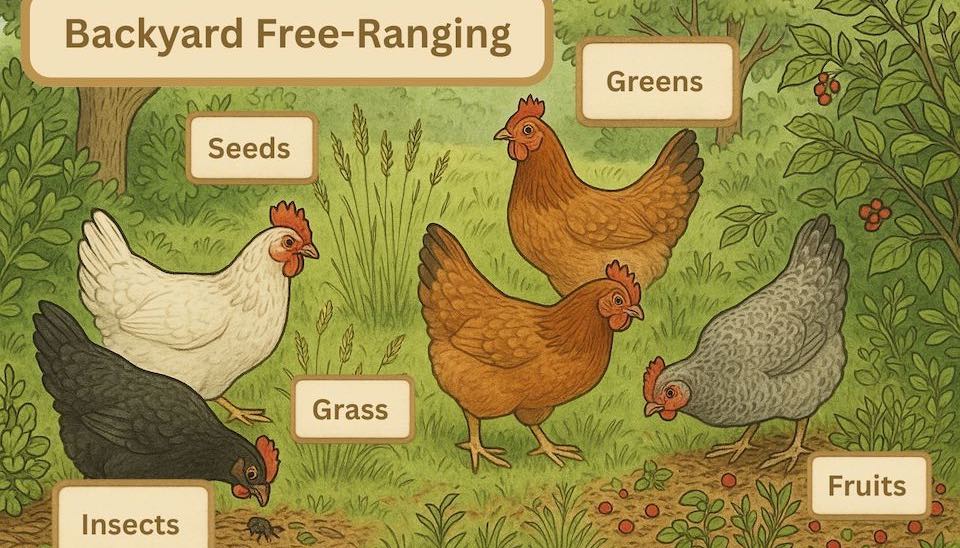
- Chickens forage on grass, weeds, seeds, fruits, green herbs, insects and small animals gaining protein, vitamins, minerals, fibre and grit
- Safe forage plants include dandelion, parsley, most fruit and vegetable plants, marigold, sunflowers, edible weeds and grasses
- Some common plants can be toxic to chickens, for example jade plant, oleander, rhubarb leaves and excessive forage high in oxalates, such as spinach or silverbeet
- Pesticides, herbicides and fungicides can also be toxic and shouldn't be used where chickens forage
- Boost backyard benefits by planting forage crops, encouraging insects and rotating forage areas if you can
Not all free-ranging is created equal
Free-ranging is exceptionally good for chickens. It allows them to express natural behaviours such as dust-bathing, scratching and foraging. It’s fantastic for their wellbeing and reduces issues such as boredom, bullying and feather-pecking. But the fact is, free-ranging isn’t likely to reduce your feed bill!
Free-ranging can contribute meaningfully to a chicken’s diet… when there is an abundance of insect life, along with varied seeds, fruits and green plants, including protein-rich forages. If chickens are rotated regularly across large areas, such as on acreages or in pasture systems, forage has time to regrow and insect populations remain stable; this type of free-ranging can provide much of the protein, energy and nutrients that chickens need.
But you know what happens to a chicken run over time – insects disappear and plants are pecked into oblivion. A standard backyard is the same!
For backyard chickens, free-ranging does provide some micronutrients, but it is a supplement, not a substitute for a balanced diet. A complete feed is what meets the nutritional requirements of regular egg production and long-term health.
What Does a Typical Suburban Yard Offer Free-Range Chickens?
So what are chickens actually eating when they free-range in a typical backyard?
Most backyards are a patchwork of grass, weeds, mulch and garden beds, perhaps with a few trees thrown in for good measure. In Australia, garden plants tend to be a mix of natives and introduced ornamentals, with the addition of herbs, fruit trees and perhaps some vegetables.
Chickens love this variety and when free-ranging they’ll nibble on:
- Grasses
- Weeds
- Herbs and soft greens, including new growth from some trees and shrubs
- Fruits and seeds, including dropped produce from trees
- Insects and invertebrates like worms, beetles, caterpillars, ants and grasshoppers
- Small animals like frogs, lizards and even small rodents and snakes
- Small stones and shells, e.g. from snails, to aid digestion
Chickens love scratching to find insects and worms, so they will take full advantage of any mulch or fallen leaves, making a mess of gardens in the process!
What are the nutritional benefits of backyard free-ranging?
While a balanced commercial feed is still essential, free-ranging adds important variety to the diet as well as some micronutrients.
Here’s what your chickens might be gaining from foraging in the backyard:
- Protein from insects, worms and grubs (especially important for egg production)
- Vitamins A, C, and K from leafy green weeds and herbs
- Calcium and trace minerals from dandelion, clover and garden plants
- Digestive support from small amounts of grass and fibre
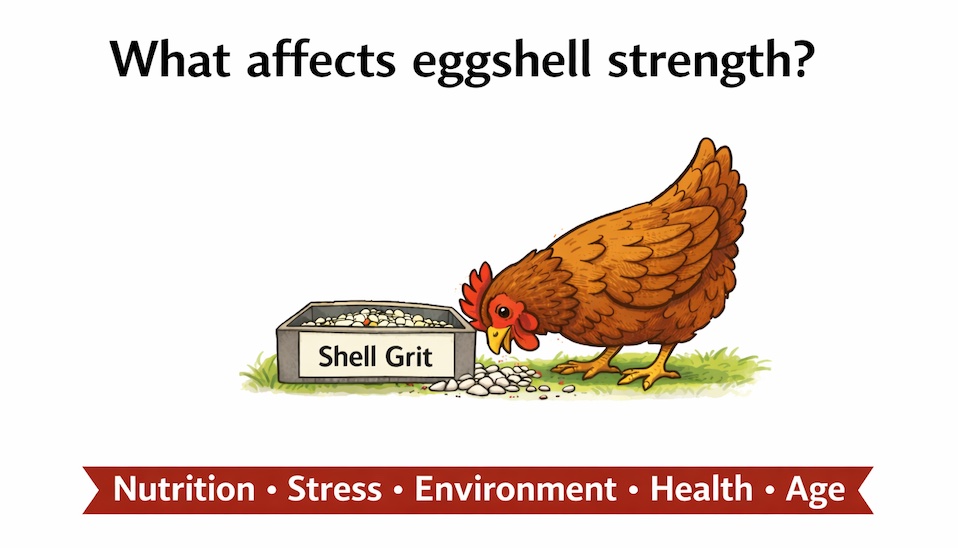
- Grit (small stones) to aid digestion (providing free-access to Shell Grit is still essential)
The more diverse your yard, the better the benefits. And there are all of the mental and physical benefits of a more active and interesting lifestyle too.
The nutritional benefits of common garden plants
Some garden plants are better for chickens than others: there are plants with nutritional benefits, others that are harmful. Most plants, however, while not dangerous, have little dietary value either.
Understanding which plants to avoid and which to plant can help you ensure that your chickens are safe and are getting the most benefit from free-ranging in your backyard.
Grasses
Chickens love grass! They will eat tender young tips and grass seeds, as well as foraging for insects hidden underneath. Grass is mostly fibre and water. Its main benefit for chickens is promoting gizzard health and digestion, although it does contain small amounts of protein and trace nutrients.
Grass for chickens should be kept short – a mowed lawn is perfect. Consuming too much long grass can cause crop impaction. Fortunately, chickens will rarely eat mature grass unless very hungry, preferring tender young tips.
Chickens will ruin lawns by scratching, so rotating your free-range areas and choosing hardier grasses such as buffalo and zoysia may help.
Here are the nutritional benefits of some common lawn varieties:
- Buffalo Grass (Stenotaphrum secundatum)
Protein: 7–10% crude protein (young leaves)
Fibre: High, especially in mature blades
Nutrients: Small amounts of calcium and carotenoids
- Couch Grass, also called Bermuda (Cynodon dactylon)
Protein: 9–14% crude protein (young stage)
Fibre: Moderate to high
Nutrients: Potassium, calcium, some vitamin A precursors; more palatable than many other grasses
- Kikuyu (Pennisetum clandestinum)
Protein: 10–16% (varies with growth stage)
Fibre: Moderate
Nutrients: Good folate, phosphorus, magnesium
- Tall fescue (Festuca arundinacea)
Protein: 10–16%
Fibre: Moderate
Nutrients: Folate, phosphorus, magnesium
- Zoysia Grass (Zoysia spp.)
Protein: 10–16% crude protein (depending on growth stage)
Fibre: Moderate
Nutrients: Folate, phosphorus, magnesium
Common Garden Plants
It’s amazing what chickens will try to eat! Some plants are genuinely beneficial, while many provide a little fibre and not much else.
These are common in Aussie gardens and perfectly safe:
- Parsley – High in vitamin K, supports blood clotting and immunity
- Lomandra – Hardy native grass; non-toxic and often ignored by chickens
- Lavender – Pest-deterrent and safe; not a favourite, but chickens may nibble
- Marigolds and Calendula – Safe; supports yolk colour and has mild health benefits
- Sunflowers – Seeds are high in fat and protein; leaves and petals are also safe
- Pigface (Carpobrotus) – Native succulent; chickens may peck at the juicy leaves
- Mint, basil, oregano, rosemary, thyme – Generally safe in small amounts
- Camellias – Safe foliage; not commonly eaten, but not toxic
- Nasturtium – Safe and palatable for chickens
- Roses – Safe foliage and the rosehips are high in vitamin C
Other culinary herbs, vegetable plants (except those of the nightshade family) and fruit trees are also safe for chickens to eat.
Other safe ornamentals include zinnias, cosmos, petunias, alyssum and geraniums.
In addition to garden plants, many weeds are also palatable and beneficial to chickens, including:
- Dandelion – Nutritious weed, high in calcium and vitamin A; chickens love it
- Clover – Good source of protein and folate; supports laying hens
- Plantain (Plantago) – Mineral-rich weed; chickens happily eat the leaves
- Other beneficial weeds include chickweed, nettle, purslane, fat hen and cleavers
Use Caution / Feed Sparingly
These plants aren’t toxic but should only be eaten in small amounts and may cause digestive upset if overconsumed:
- Spinach, silverbeet, beet greens – Nutritious but high in oxalates; limit intake
- Warrigal greens (native spinach) – Rich in nutrients but also high in oxalates
- Succulents (e.g., Sedum) – Most are safe but can cause mild diarrhea if over-eaten; others, like jade plant, are toxic
- Salvias – Some species, particularly edible herbs, tend to be beneficial, but others are not well-tolerated
- Ficus (fig) species (e.g. rubber plant, fiddle leaf fig) – Can be toxic or cause digestive upsets
Dangerous plants for chickens
While chickens will generally only eat a little of this and a little of that while free-ranging, there are some common garden plants that are harmful to chickens and may cause illness or death if consumed.
Some dangerous plants to avoid for chickens include:
- Oleander
- Azalea
- Nightshade family (e.g. green tomatoes, potato plants)
- Rhubarb leaves
- Foxglove
- Angel’s trumpet
- Larkspure/Delphinium
- Lily of the valley
- Hydrangea
- Wisteria
- Morning glory
- Avocado
- Privet
- Macadamia
- Castor oil plant
- Camphor laurel
- Hemlock
- Bracken fern
- Honeysuckle
Making sure your garden is safe for chickens
While toxic plants should be avoided in free-range areas, generally chickens know not to eat anything that isn’t good for them, and some toxic plants, such as tomatoes, don’t usually cause issues in small amounts.
If you are free-ranging chickens in a garden with toxic plants, it is essential that they have free-access to chicken feed and other forage so they are not forced to consume anything harmful. That said, it's best to avoid any dangerous plants altogether if you can.
In addition, plants treated with fertilizers, pesticides or herbicides may also be toxic to chickens depending on the product used. Avoid using chemicals in areas where your chickens free-range and use natural alternatives, such as manure and compost, instead.
Tips for a Chicken-Friendly Backyard
Making your yard chicken-friendly will ensure your flock can free-range safely. You should:
- Avoid harmful plants
- Ensure chickens have free-access to a complete layer feed and Shell Grit at all times
- Fence off veggie gardens if you want anything left to harvest
- Protect vulnerable plants
- Provide grit to help digest all that foraged food
- Avoid chemical fertilizers, herbicides and pesticides
If you find that the chooks are causing too much damage to gardens or lawns, consider limiting free-ranging to a few hours each day or rotating free-ranging areas with fencing or a chicken tractor.
Smaller breeds such as bantams and silkies are also much less likely to kill plants or ruin gardens than more robust chicken breeds.
How to boost the nutritional value of your backyard
Consider the following ideas to boost the nutrition your chickens will get from free-ranging in your backyard:
- Provide a range of different plants and habitats, e.g. lawn, gardens, mulch, low trees and bushes etc.
- Grow extra just for the chooks
- Plant additional greens like kale, collards, silverbeet etc.
- Sow a poultry forage mix in a garden bed or replace part of the lawn!
- Plant fruit trees that will drop fruit such as mulberries, guavas or passionfruit
- Plant protein-rich forage plants
- Add clover to the lawn
- Consider planting a hedge of pigeon pea, tagaste (tree lucerne), lucerne or wattle (ensure it is an edible variety)
- Plant fodder trees like moringa and papaya
- Add sweet potato and pumpkin vines to the garden as a ground cover
- Encourage insects
- Add mulch to garden beds
- Add mulch piles or piles of dead leaves for chickens to scratch through
- Add sections of logs or large tree branches that will grow worms and other insects
- Add a bale of straw or cane mulch and turn it over every few days to provide a feast of worms and bugs
Conclusions
Free-ranging chickens are happier, healthier and more productive. And with a little planning, your backyard can support their needs without compromising your garden beds.
Learn more about growing plants for chickens:
- How to grow Moringa, a miracle plant for chickens
- High-protein forage greens for chickens
- Our top 10 dual-purpose plants for the chicken run
- An extensive list of forage greens for chickens
Happy chicken keeping!
Rachael at Dine-A-Chook Australia